
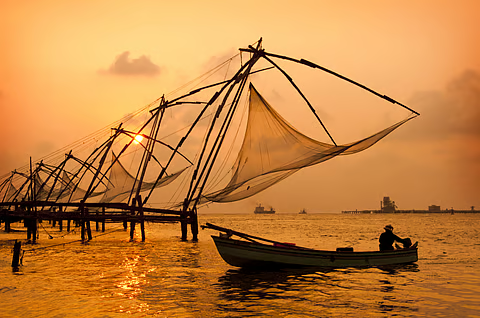
Fort Kochi, a coastal gem in Kerala, India, is a vibrant tapestry woven from the threads of diverse cultures that have shaped its history over centuries. This small town, nestled along the Arabian Sea, has been a melting pot of Jewish, Dutch, Portuguese, Chinese, and Syrian influences, each leaving an indelible mark on its architecture, cuisine, and traditions. A heritage walk in Fort Kochi is like stepping into a living museum of multiculturalism, offering a fascinating journey through its diverse historical crossroads.
Why Fort Kochi is a Cultural Melting Pot
Historically part of the flourishing spice route, Fort Kochi became a significant hub for explorers and traders from the 14th century onward. This multicultural city in india attracted settlers from across the globe, each contributing their unique customs, beliefs, and aesthetics. The result is a town where history whispers through its streets, from ancient synagogues to colonial forts and fishing nets inspired by distant lands. A stroll through Fort Kochi offers a glimpse into the architectural, religious, and social intersections left behind by international communities.
Jewish Heritage: Jew Town and Paradesi Synagogue
The Jewish community, particularly the Sephardic Jews, established a thriving presence in Fort Kochi’s Jew Town. The Paradesi Synagogue, built in 1568, is a highlight of Jewish culture in India and a must-visit Fort Kochi attraction. Adorned with Belgian chandeliers, hand-painted Chinese tiles, and intricate Torah scrolls, this synagogue showcases a blend of global influences. Today, Jew Town’s cobbled streets, lined with spice shops and antique stores, offer a glimpse into this rich Jewish heritage in Fort Kochi.
Unique Cultural Experience: Heritage Walk in Jew Town
Explore Jew Town’s spice-scented lanes and visit the Paradesi Synagogue. Join a guided walk to learn about the Jewish migration in Kerala, shop for antiques, and experience Jewish culture in Fort Kochi firsthand.
Portuguese Influence: Historic Churches and Architecture
The Portuguese arrived in the early 16th century, marking Fort Kochi as one of their first colonial outposts in India. They introduced Christianity and built landmarks like the St. Francis Church, the oldest European church in India, constructed in 1503. Once home to Vasco da Gama’s tomb, this church is a key Portuguese heritage site in Fort Kochi. Portuguese-style villas with arched verandas and tiled roofs still dot the town, adding to its multicultural charm.
Unique Cultural Experience: Portuguese Cooking Class
Master Portuguese-influenced dishes like vindaloo or fish recheado in a colonial-era homestay. This hands-on experience highlights the Portuguese impact on Fort Kochi cuisine.
Dutch Legacy: Colonial Architecture and Culinary Fusion
The Dutch took control of Fort Kochi in 1663, leaving behind a legacy of colonial architecture and trade. Visit the Dutch Cemetery and Bolgatty Palace to explore Dutch influence in Fort Kochi. Their grid-like street layouts and sturdy waterfront warehouses reflect their pragmatic urban planning. The Dutch Palace (Mattancherry Palace) in Fort Kochi built in Kerala-style architecture is a fascinating museum of royal artefacts. The Dutch also influenced local cuisinel, with dishes like appam and stew showcasing a fusion of European and Kerala flavors, making Fort Kochi food a cultural experience in itself.
Unique Cultural Experience: Dutch Architecture Tour
Cycle through Dutch-era landmarks like the Dutch Cemetery and Bolgatty Palace. Stop at David Hall Gallery for art exhibitions, showcasing Dutch influence in Fort Kochi’s architecture.
Chinese Connection: The Iconic Fishing Nets
Fort Kochi’s Chinese fishing nets, introduced by traders from Kublai Khan’s court in the 14th century, are a striking symbol of its multicultural past. These cantilevered nets, operated with weights and pulleys, remain in use along the shore, creating a picturesque scene at sunset. A visit to these nets offers insight into Fort Kochi’s ancient trade links with East Asia, enhancing its appeal as a top cultural destination in India.
Unique Cultural Experience: Chinese Fishing Nets at Sunset
Try operating the Chinese fishing nets with local fishermen and enjoy a seafood dinner. This activity connects you to Fort Kochi’s East Asian trade history.
Syrian Christian Traces: Faith and Festivals
The Syrian Christian community, with roots tracing back to St. Thomas the Apostle’s arrival in 52 AD, has shaped Fort Kochi’s spiritual landscape. Churches like the Santa Cruz Basilica reflect a blend of Indian and Middle Eastern liturgical practices, a key aspect of Syrian Christian culture in Fort Kochi. Local festivals, such as the feast of St. Sebastian, feature vibrant processions and traditional Kerala-Christian feasts, adding to the town’s multicultural allure.
Unique Cultural Experience: Syrian Christian Church Visit
Visit St. George Orthodox Koonan Kurishu Old Syrian Church in Fort Kochi to witness rare liturgical practices. Attend a service at Santa Cruz Basilica or join the St. Sebastian feast in December to experience Syrian Christian traditions and cuisine like meen moilee.
Cultural Harmony and Contemporary Expressions
What makes Fort Kochi remarkable is its seamless blend of heritage and contemporary life. The streets are alive with art installations, fusion eateries, Indo-European boutiques, and literature festivals. Events like the Kochi-Muziris Biennale bring modern artists to these historic spaces, creating a bridge between the ancient and the avant-garde. This biennial art festival (December to March) in heritage venues like Portuguese warehouses, celebrate Fort Kochi’s global cultural connections.
Immersive Travel Experiences in Fort Kochi
Maximize your Fort Kochi travel experience with these exploration ideas:
- Backwater Kayaking Tour: Paddle through the serene backwaters near Fort Kochi to see how its coastal geography attracted traders from China, Europe, and the Middle East. Local operators offer guided kayaking tours that include stops at villages with Syrian Christian or Portuguese influences.
- Street Food Trail: Join a food walk to sample Fort Kochi’s diverse culinary offerings. Try parotta with Syrian Christian beef curry, Portuguese-inspired bibinca (a layered dessert), or Dutch-influenced appam with coconut stew. Many tours include visits to local tea stalls and spice markets.
- Art and Craft Workshops: Enroll in a workshop to learn traditional Kerala mural painting or coir mat weaving, crafts influenced by the town’s cosmopolitan history. Some workshops are hosted in heritage homes, offering a glimpse into Portuguese or Dutch architectural styles.
- Sunset Cruise with Cultural Performances: Book a sunset cruise along Fort Kochi’s coast, where you can enjoy traditional Kerala performances like Kathakali or Mohiniyattam. These cruises often include commentary on the town’s history, highlighting its Jewish, Dutch, and Chinese connections.
- Homestay Experience: Stay in a heritage homestay housed in a Portuguese or Dutch-era mansion. Many hosts share stories of Fort Kochi’s past and serve home-cooked meals that reflect its multicultural cuisine, offering an intimate way to connect with the town’s history.
Fort Kochi: Multicultural Travel Experience in India
Fort Kochi is an evolving mosaic of global cultures, reflected in its buildings, rituals, food, and people. A well-planned heritage walk can transform a visit here into a cultural deep dive – explore spice markets echoing Jewish trade, cafés serving Dutch pancakes, and Portuguese-era homestays. Whether you’re tracing the origins of ancient communities or savoring new-age art in colonial mansions, Fort Kochi offers a profound and enriching travel experience. Its ability to preserve diverse influences while fostering unity makes Fort Kochi a unique cultural landmark.